
 |
| Image Credits: Scientific American |
A revolution is brewing in the world of computing, and it's happening at the quantum level. Welcome to the exciting world of quantum computing, where the impossible becomes possible and the unimaginable becomes reality.
 |
| Image Credits: The conversation |
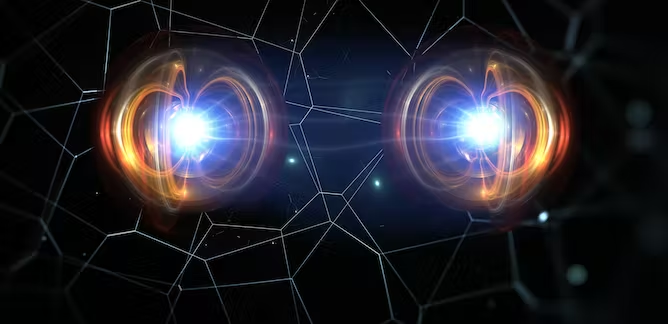
Quantum computing is a type of computing that uses quantum-mechanical phenomena, such as superposition and entanglement, to perform operations on data. These phenomena allow quantum computers to process and analyze vast amounts of data much faster than traditional computers.
 |
| Image Credits: Research Gate |
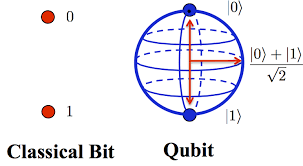
The basic unit of quantum computing is the quantum bit, or qubit. Unlike classical bits, which can only be in one of two states (0 or 1), qubits can exist in multiple states simultaneously. This is known as superposition. In addition, qubits can be entangled, meaning that the state of one qubit is dependent on the state of another qubit, regardless of the distance between them.
These unique properties of qubits give quantum computers the ability to solve certain problems that are practically impossible for traditional computers. One of the most significant potential applications of quantum computing is in the field of cryptography. Quantum computers have the ability to break even the most advanced encryption algorithms, making them a powerful tool for both cyber security and cyber warfare.
 |
| Image Credits: FSOM |
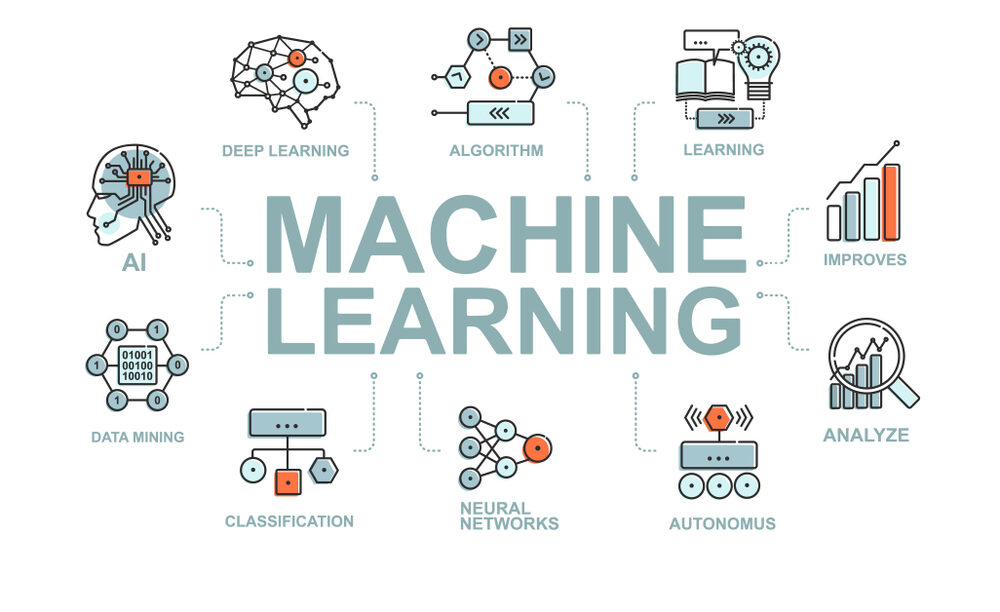
Another potential application of quantum computing is in the field of machine learning. Quantum machine learning algorithms have the ability to analyze and process large amounts of data much faster than traditional algorithms. They also have the ability to find patterns and make predictions that classical algorithms may miss.
Quantum computing also has the potential to revolutionize the field of chemistry and materials science. Quantum chemistry simulations can be used to design new molecules and materials, and quantum computing can also be used to optimize the performance of existing materials.
Despite all of the potential benefits of quantum computing, there are still many challenges that need to be overcome before it can be fully realized. One of the biggest challenges is the issue of decoherence, which occurs when a qubit's quantum state is disturbed by the environment. This can cause errors in the computation, making it difficult to achieve the desired results.
 |
| Image Credits: ZDNET |
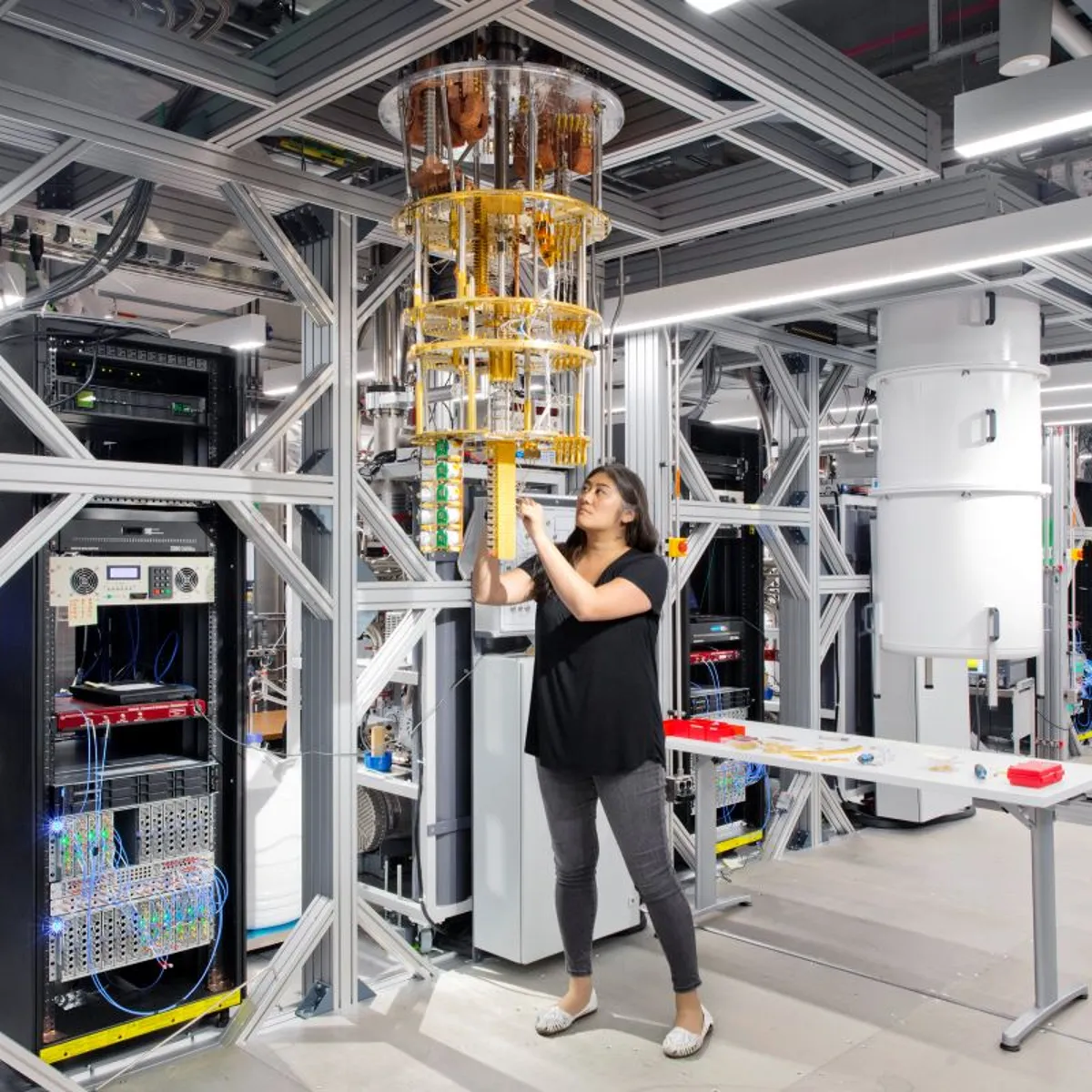
Another challenge is the issue of scalability, as current quantum computers have a limited number of qubits, making it difficult to perform large-scale computations. In addition, the software and programming languages for quantum computing are still in the early stages of development, making it difficult for researchers and developers to fully utilize the capabilities of quantum computers.
Despite these challenges, the field of quantum computing is rapidly advancing, and progress is being made in all of these areas. Researchers and scientists around the world are working tirelessly to overcome the challenges and bring quantum computing to the mainstream.
 |
| Image Credits: Innovation Origins |
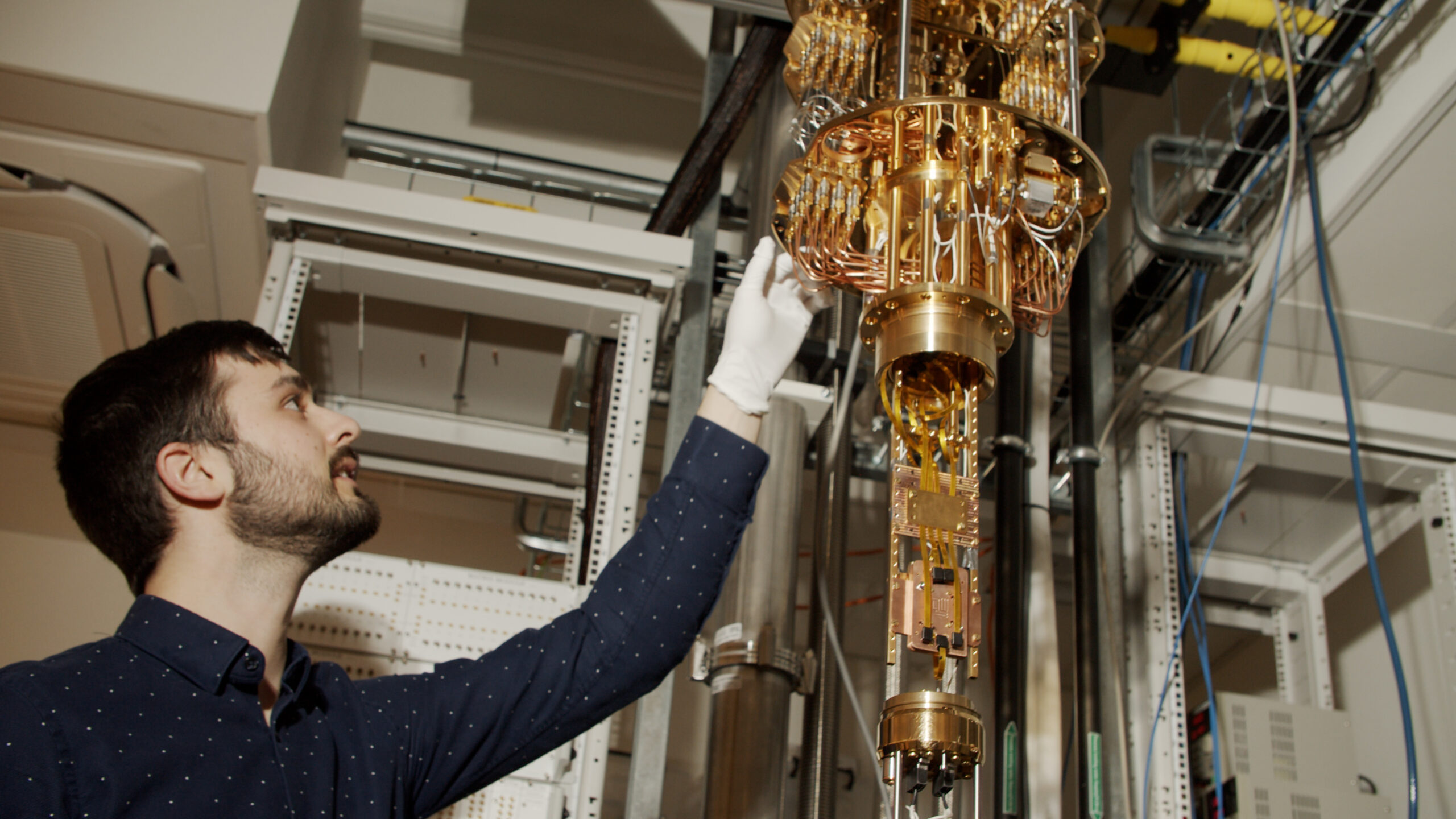
In conclusion, quantum computing is a revolutionary technology that has the potential to change the world as we know it. From breaking encryption codes to revolutionizing materials science, the possibilities are endless. While there are still many challenges that need to be overcome, the future of quantum computing is looking bright. The world is on the cusp of a new era in computing, and it's happening at the quantum level.